Why Human Translation Still Matters in the Age of AI
Artificial intelligence has transformed the way we communicate across languages. Free online translation tools and AI-powered software can translate text in seconds, making multilingual communication faster and more accessible than ever before.
So, does that mean professional human translators are no longer needed?
In many situations, AI is a useful tool. However, when accuracy, cultural understanding and clear communication matter, human translation remains essential.
Here’s why.
Language Is About More Than Words
Translation isn’t simply replacing one word with another.
Every language has its own grammar, idioms, cultural references and expressions. Words often have multiple meanings, and the correct choice depends entirely on context.
For example, the English word “bank” could refer to:
- A financial institution
- The side of a river
- Banking an aircraft
- Storing something for future use
A human translator understands the context and selects the correct meaning. While AI has improved dramatically, it can still misunderstand ambiguous language, particularly in complex or specialised documents.
Human Translators Understand Culture
Successful communication requires cultural understanding as well as language skills.
A phrase that sounds natural in Australia may seem confusing, awkward or even offensive in another country.
Professional translators consider:
- Cultural expectations
- Regional expressions
- Local customs
- Tone of voice
- Appropriate terminology
- Audience expectations
The goal is to ensure the translated content feels as though it was originally written for the target audience.
Accuracy Matters
For many documents, even a small mistake can have serious consequences.
Legal contracts, medical reports, immigration documents and financial records all require a high level of precision.
Professional translators carefully research terminology, check context and review their work to ensure accuracy.
For official documents in Australia, a NAATI certified translator also accepts professional responsibility for the completed translation, providing confidence that it meets the required standard.
Human Translation Protects Your Brand
Your brand has a unique voice.
Whether you’re professional, approachable, innovative or luxurious, that personality should remain consistent in every language.
Machine translation often produces text that is technically understandable but awkward or unnatural.
Human translators adapt sentence structure, vocabulary and style so your brand sounds authentic rather than translated.
This helps build trust with customers and strengthens your reputation in international markets.
Marketing Requires Creativity
Marketing content is designed to persuade, inspire and create an emotional connection.
Unfortunately, humour, puns, slogans and wordplay rarely translate directly.
A human translator can localise or transcreate your content so it has the same impact on the target audience, even if the wording changes significantly.
This is particularly important for:
- Advertising campaigns
- Product descriptions
- Websites
- Social media content
- Brand messaging
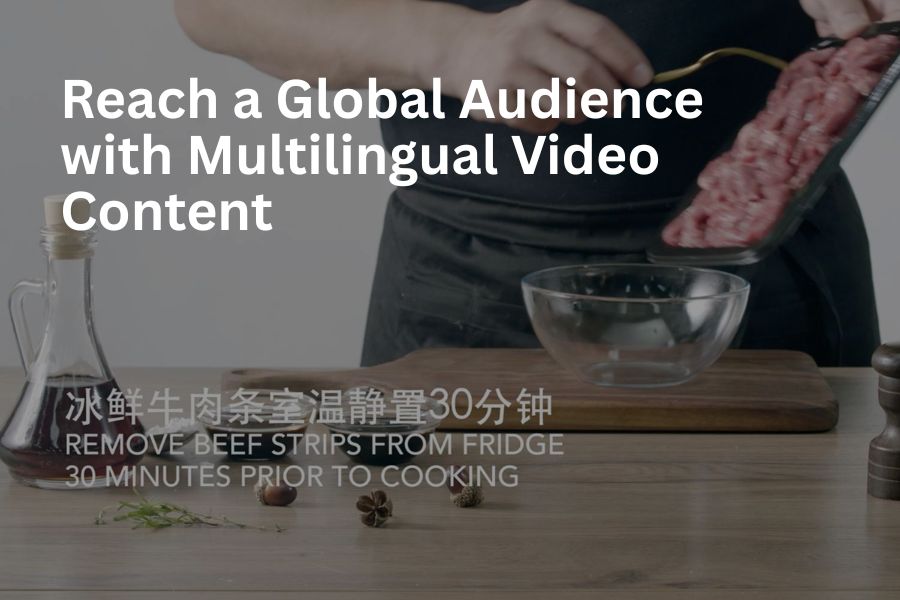
- Video scripts
Industry Expertise Makes a Difference
Many professional translators specialise in specific industries.
Whether it’s legal, medical, engineering, finance or manufacturing, subject matter expertise helps ensure terminology is used correctly and consistently.
Understanding the language of an industry is just as important as understanding the language itself.
Human Translators Use Technology Too
There’s a common misconception that professional translators reject technology.
In reality, experienced translators regularly use advanced translation tools to improve efficiency and maintain consistency across large projects.
These tools include:
- Translation memory software
- Terminology databases
- Quality assurance software
- Glossaries
- AI-assisted translation tools where appropriate
The important difference is that technology supports the translator, it doesn’t replace professional judgement.
Every translation is reviewed by a human who understands the language, the context and the intended audience.
When Is AI Translation Suitable?
AI translation can be extremely useful for:
- Understanding the general meaning of foreign text
- Internal communications
- Draft translations
- Large volumes of low-risk content
- Personal use
For these situations, speed is often more important than perfection.
When Should You Choose Human Translation?
Professional human translation is the better choice when accuracy, quality and reputation matter.
Examples include:
- NAATI certified translations
- Legal document translation
- Medical records translation
- Financial documents
- Technical manual translation
- Translation of Business contract
- Translation of Marketing materials
- Website translation
- Product descriptions
- Public-facing communications
In these situations, the cost of an error often outweighs the cost of professional translation.
The Best Results Often Combine AI and Human Expertise
AI has become a valuable tool within the translation industry, but it works best when combined with human expertise.
Professional translators know when technology can improve efficiency and when careful human judgement is required.
The result is faster delivery without compromising quality, accuracy or cultural relevance.
Human Translation Builds Confidence
Whether you’re applying for a visa, expanding into overseas markets or communicating with international customers, your translated content represents you and your business.
Professional human translation helps ensure your message is not only understood but trusted.
At DS5 Translations, our experienced linguists combine language expertise, cultural understanding and industry knowledge to deliver translations that are accurate, natural and fit for purpose.
Whether you require a NAATI certified translation, website localisation or multilingual marketing material, we’re here to help you communicate with confidence.
Contact DS5 Translations on 1300 244 148 to discuss your translation requirements or request an obligation-free quote today.